


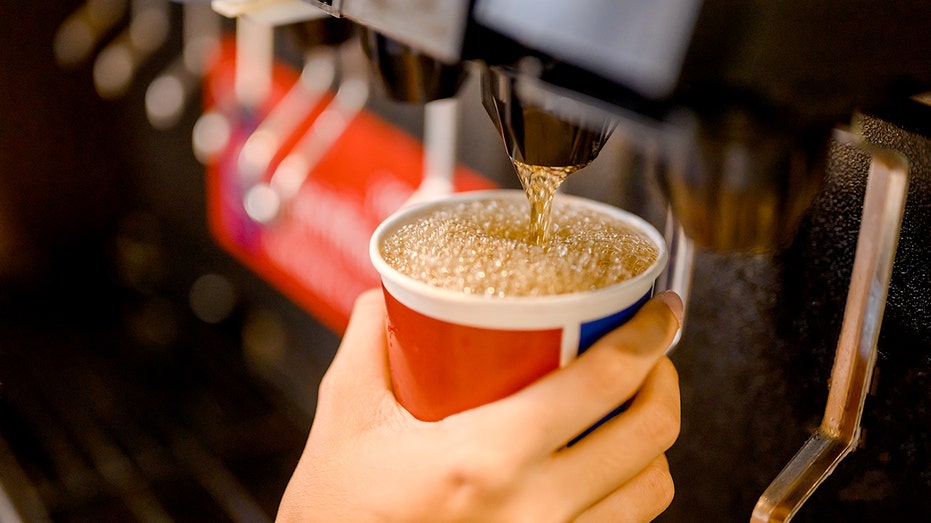
exchange regular soda According to new research, the diet version may not be as healthy for your liver.
A review of UK Biobank data found that both sugary drinks and drinks with artificial sweeteners, even those labeled as sugar-free, are associated with an increased risk of liver disease.
The findings were presented this week at the European Union Gastroenterology Week in Berlin, Germany.
Cancer treatment may be less effective if patients consume popular sweeteners
The study followed more than 120,000 adults over 10 years. None of the participants had liver disease when the study began.
Over time, the scientists tracked what the participants drank and also assessed their liver health.
People who drink large amounts of sugar-sweetened beverages (SSBs) — like sodasweet tea, or energy drinks had an approximately 50% increased risk of developing a serious liver disease called metabolic dysfunction-associated fatty liver disease (MASLD), also known as non-alcohol-induced fatty liver disease.
“SSBs have long been in the spotlight, but alternative foods are often considered healthier options,” lead author Lihe Liu, a graduate student in the Department of Gastroenterology, First Affiliated Hospital of Soochow University, China, said in a press release.
Daily diet soda may be aging your brain faster than you think, study finds
However, those who drink alcohol diet drink Low-sugar or no-sugar sweetened beverages (LNSSB) had an even higher risk of liver disease, about 60%.
This means that switching from regular soda to diet soda may not have protected your liver and may have made the situation even worse.
People who regularly drink artificially sweetened drinks are also more likely to die from liver-related causes, a study suggests.
“Our study shows that even at modest intakes, such as one can a day, LNSSB is indeed associated with a higher risk of MASLD,” Liu said.
New study finds sugar in drinks is associated with higher diabetes risk than sugar in food
“These findings challenge the common perception that these drinks are harmless and highlight the need to reconsider their role in diet and liver health,” she added.
Scientists think that why zero sugar is harmful may have something to do with the effect that artificial sweeteners have on the body.
Click here to sign up for our health newsletter
They have been shown to change intestinal bacteriaFor example, your desire for sweets increases, which disrupts your brain’s hunger and satiety signals.
Some research even suggests they may still be triggering insulin spikeusually blamed on sugar.
Liu said the safest approach is to limit both sugar-sweetened and artificially sweetened drinks.
Replacing sugary sodas and diet sodas with water was shown to reduce the risk of liver disease by as much as 15%, but replacing the two beverages with other beverages did not reduce the risk.
“Water remains the best choice, as it hydrates the body while removing metabolic burden and preventing fat accumulation in the liver,” the researchers said.
Liver disease is already one of the fastest growing diseases health problems Approximately 4.5 million American adults are affected worldwide, according to CDC data.
The full study had not yet been published in a peer-reviewed journal, so potential limitations of the study were not available.
However, some experts pointed out that beverage intake was self-reported and could be subject to some errors. Although this observational study also identified a link, it does not prove that the drink causes liver problems.
Fox News Digital has reached out to the American Beverage Association and researchers for comment.
