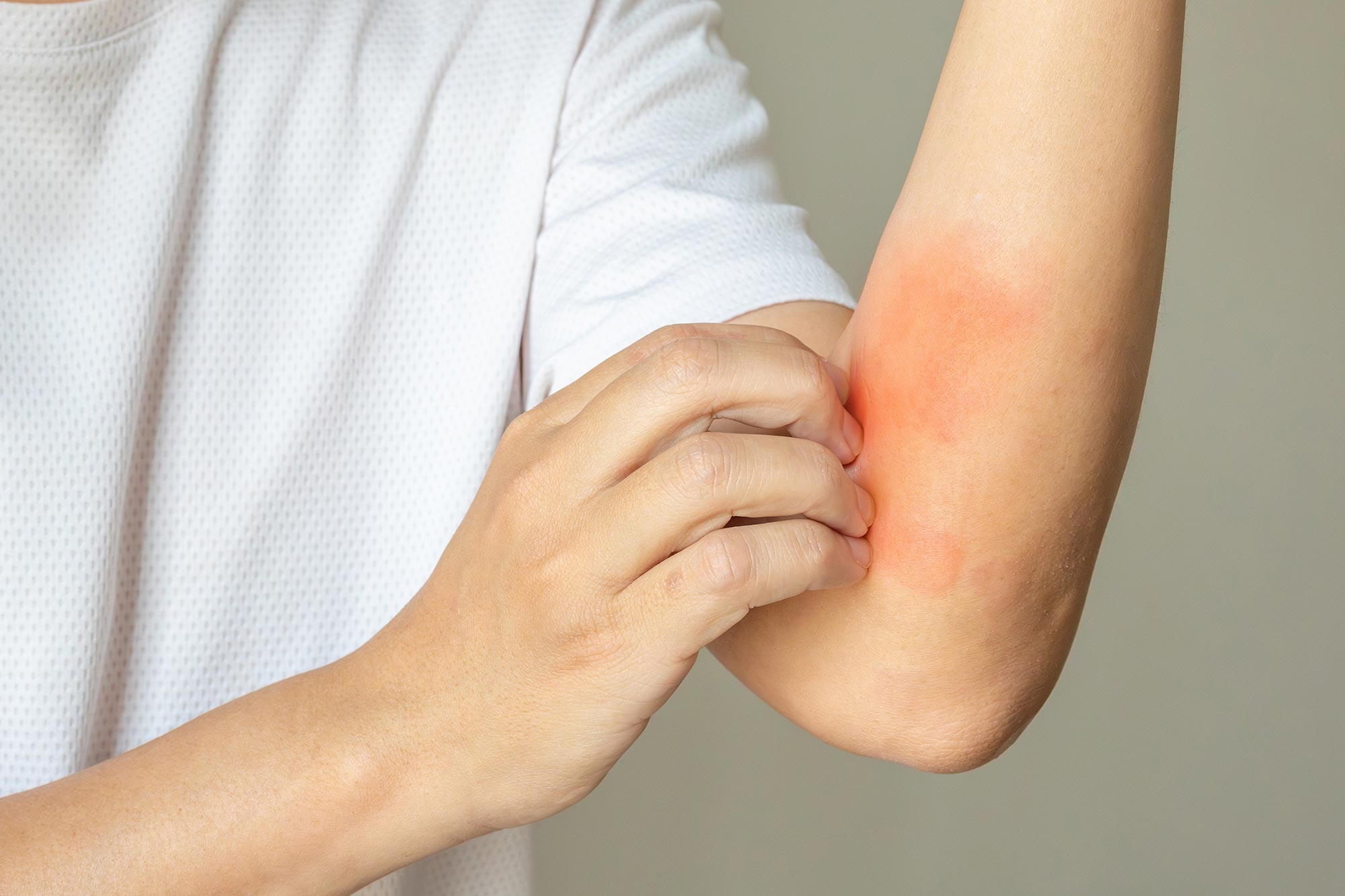


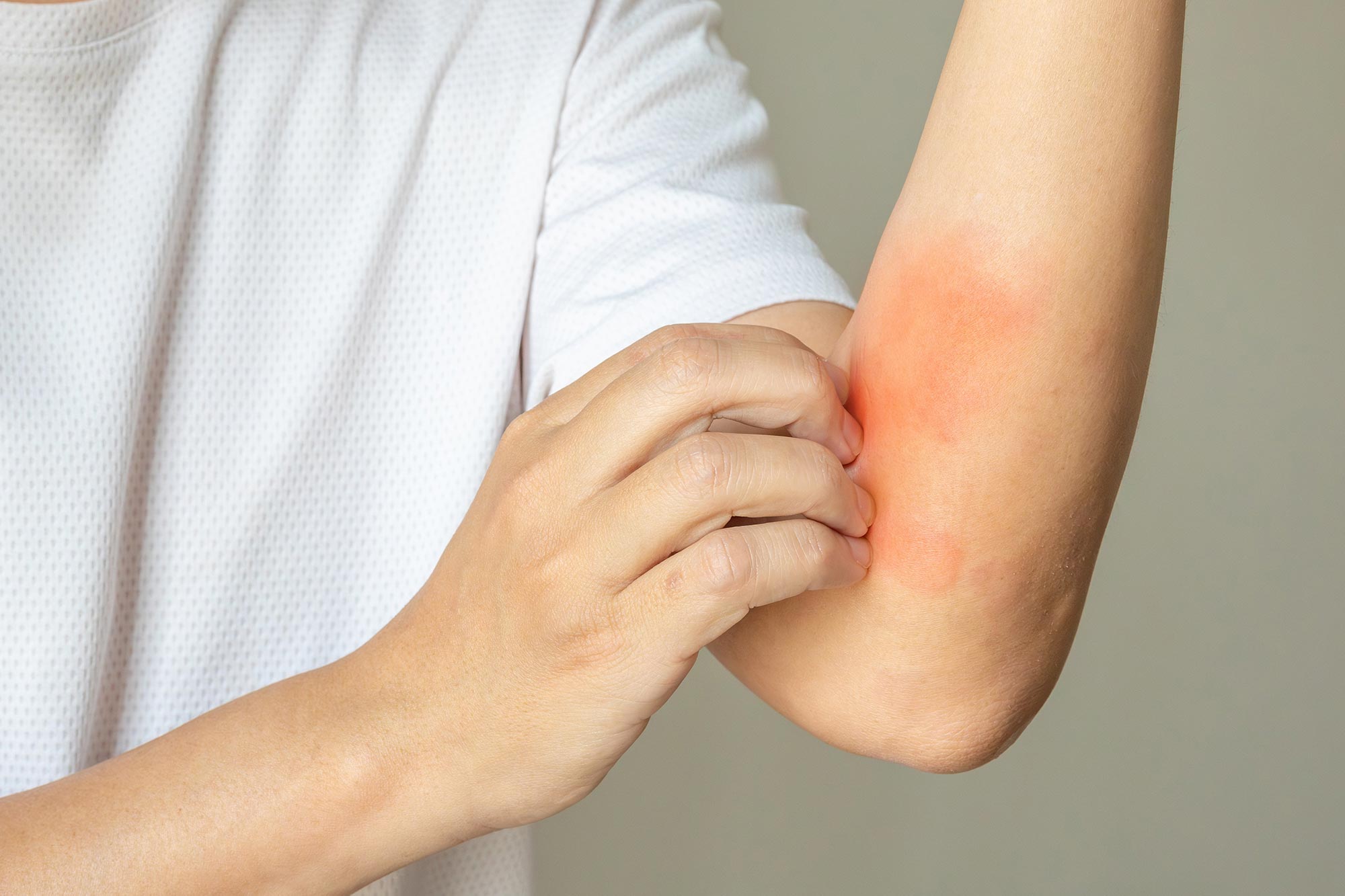
Skin conditions in patients with a new episode of psychosis may indicate an increased risk of depression and suicidal behavior and may serve as an early warning marker for clinicians.
Scientists report that people with skin conditions who receive mental health care may be at higher risk of facing serious outcomes such as depression and suicidality. The findings, which could help clinicians identify higher-risk patients and more accurately tailor psychiatric treatment, were presented at the ECNP conference in Amsterdam.
The study looked at 481 patients who experienced a first episode of psychosis (patients experiencing a psychotic episode for the first time, including loss of contact with reality, hallucinations, and delusions). As a result of the examination, 14.5% of participants had skin symptoms, and the proportion was higher in women than in men (24% for women and 9.8% for men). These symptoms include rash, itching, and photosensitivity. All patients received 4 weeks of antipsychotic treatment and were subsequently evaluated on multiple mental health measures.
Higher risk of depression and suicide
Lead researcher Dr. Joaquín Galvani (Madrid, Gregorio Maranhão Institute of Health) said:
“After 4 weeks of follow-up, patients with an initial episode of psychosis with skin disease experienced higher levels of depression and risk of suicide. We found that approximately 25% of patients with an initial skin disease had suicidal thoughts or attempts, compared to only 7% of patients without an initial skin disease. Early skin disease was also associated with more severe depression and poorer health status at follow-up.”
This finding suggests that the presence of a skin disease indicates that, after a first episode of psychosis, these patients are at higher risk for worse outcomes than those without skin disease. ”
The researchers added that if these results are confirmed, skin conditions could serve as an early warning sign of increased mental health risks. In this way, it could work similarly to blood tests that signal an increased risk of diseases such as cancer or heart disease.
Interest in this link stems from the fact that the brain and skin are both derived from the same germ layer, the ectoderm, which led the research team to explore how skin health and mental health are linked.
Shared developmental connections offer clues
“We already knew that between 30% and 60% of people with skin conditions exhibit psychiatric symptoms. What we did was to look at things the other way around: do people with mental health problems also have skin conditions, and if so, can we learn anything useful from this?”
Our findings suggest that cutaneous symptoms may be a marker of disease severity and poor short-term outcome in the early stages of psychosis and may identify subgroups of patients with poor clinical prognosis who may benefit from early individualized intervention. The reason for this association is not yet clear, but our working hypothesis is that the skin and nervous system share a common developmental origin and inflammatory pathways. But this needs to be confirmed. To our knowledge, this is the first study to show this association in psychiatric patients, so follow-up studies are needed to confirm this finding. We also need to understand whether this association also applies to a variety of other mental illnesses, such as bipolar disorder. ADHDanxiety, or depression. ”
Professor Eric Rouhe, Professor of Difficult to Treat Depression at Radboud University, the Netherlands, commented: “This is an interesting association between skin problems and first episode of psychosis. These results need to be replicated in different cohorts, but may certainly indicate a new association between skin and psychopathology.”
Since skin and brain originate from the same embryonic origin, this may be worth pursuing further both diagnostically and mechanistically (which may be more interesting). For example, we could use this association to culture skin cells and begin to understand which treatments are appropriate. ”
Conference: 38th ECNP Congress
Never miss a breakthrough: Join the SciTechDaily Newsletter.
follow me google and Google News.