


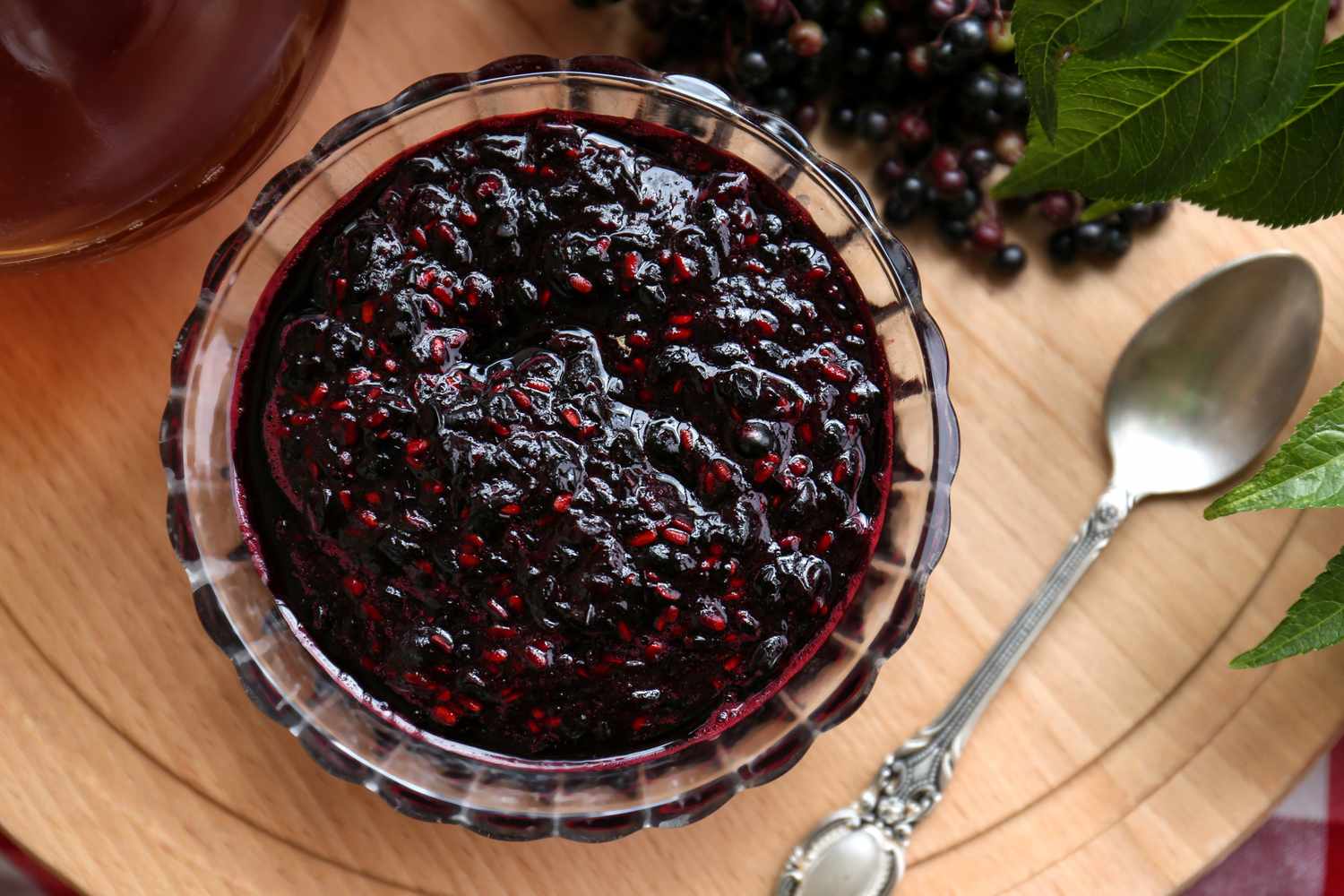
- Cleveland Clinic researchers have found that cinnamic acid, a compound found in elderberries, may help improve insulin control and reduce adipogenesis in mice with healthy gut microbiota.
- This study shows that gut bacteria convert compounds in elderberry into metabolites that support improved metabolic health and may help treat insulin resistance and fatty liver disease.
- While promising, the scientists caution that more research is needed before recommending elderberry supplements, and caution readers that raw elderberries can be toxic if eaten unripe.
Elderberries are known for their tart flavor, similar to ripe blackberries. wonderful salad and excellent combination with figs. And, as one new study explains, it may one day even help reverse insulin resistance in people.
In December, Cleveland Clinic researchers published their findings in a journal. molecular metabolismwhich explains how a tiny elderberry has important powers.
The key, researchers say, is cinnamic acid, a compound found in elderberry extract (and other fruits such as tart cherries). In this study, mice were fed a high-fat diet with or without elderberry extract. When animals that consumed elderberry extract had normal gut microbiota, Clostridium sporogenes, a common gut bacterium, converted cinnamic acid into a metabolite that helped break down food into energy and transport it from the intestine to the liver. Once there, the team saidit “activates pathways that improve insulin control and reduce fat production.”
In other words, in this mouse model, elderberry extract appears to help blunt the signs of insulin resistance and fatty liver disease, but only if the gut bacteria are able to do the job. Researchers say this study could inform further research that could one day help combat fatty liver disease and reverse insulin resistance, and could also guide dietary recommendations along with prebiotic or probiotic therapy.
Interestingly, Dr. Jan CresenThe study’s lead author said he did not initially set out to study elderberries, but rather focused on studying how the gut microbiome helps digest polyphenols. Polyphenols are antioxidants found in a wide variety of fruits and vegetables, and are especially abundant in berries (such as elderberries). is shown Helps fight chronic inflammation in the body.
“We used elderberries in this study because they are a good source of edible polyphenols, not because we think elderberries are magical,” Cresen said. “What this study does is introduce some interesting microbial chemistry that we’re currently working to understand so that we can make interventions that improve metabolic health.”
Westend61/Getty Images
While stressing that it is still far from recommending specific probiotics, supplements or elderberry products to guarantee improved health, Claassen explained that this data could help in the future to develop drugs that target gut bacteria without harming other human cells.
From here, Kresen and his team will use the data to better understand how elderberry molecules can improve metabolic health and how experts can use it to develop treatments through dietary changes, prebiotic and probiotic therapies, and potential drug development.
Importantly, he also cautions against using this data as an invitation to start eating raw elderberries one bite at a time. Contains cyanidemay cause nausea and vomiting. Therefore, we will have to wait a little while until scientists do their research.
“Dietary intervention studies in humans are difficult because they require large numbers of participants, long schedules, and funding is a major hurdle,” Claassen added. “My recommendation at this point is to work with your doctor on a plan to help prevent and manage metabolic disease, such as incorporating a variety of colorful fruits and vegetables, and let your microbiome do the rest.”
reviewer
Lauren Manaker MS, RDN, LD, CLEC: Lauren is an award-winning registered dietitian and has published three books over 22 years in the field.
