



Spending extra time scrolling through your phone in the bathroom can cause unexpected health problems.
Scrolling on your phone may seem like a harmless way to kill time on the toilet. But new research suggests this habit may come with unexpected downsides. Researchers report that people who use their smartphones while sitting on the toilet are more likely to get hemorrhoids than those who don’t.
The findings were made by Chesan Ramprasad of Beth Israel Deaconess Medical Center in the US and colleagues, who published their findings in an open access journal. Pro Swan.
Hemorrhoids are already a costly problem in the United States, causing nearly 4 million doctor and emergency room visits and more than $800 million in health care spending each year. It occurs when the veins in the anus or rectum become swollen and inflamed, which can cause pain and bleeding. Doctors have long believed that spending too much time in the bathroom may be a contributing factor, and that smartphones may be making it easier to lose track of time.
Investigate toilet habits and health
To better understand the possible association, researchers studied 125 adults undergoing routine screening colonoscopies. Participants completed an online questionnaire about their daily life and toilet habits. The doctor who performed the colonoscopy also assessed whether each participant had hemorrhoids.
Two-thirds (66%) of the group said they used their smartphones in the bathroom. These people were generally younger than those who did not report using their phones in the restroom.
After adjusting for factors that can influence hemorrhoid risk, such as age, physical activity, and fiber intake, researchers found that smartphone users had a 46 percent higher risk of hemorrhoids than non-users.
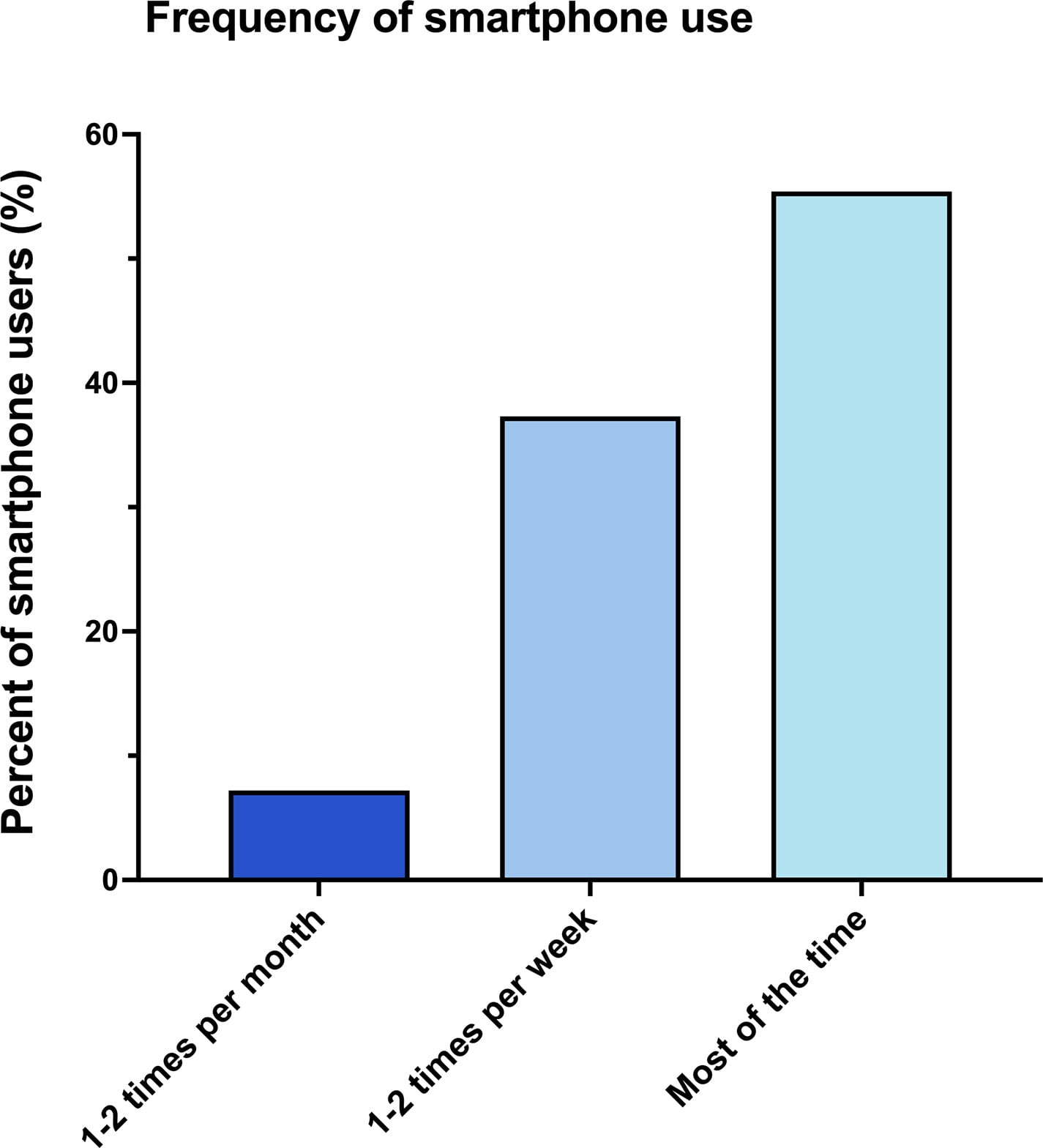
People who brought their phones into the bathroom also tended to stay there longer. Thirty-seven percent of smartphone users reported spending more than five minutes per visit, compared to just 7.1 percent of non-users. The most common activities include reading the news and checking social media. In contrast to some previous studies, straining during defecation was not associated with increased risk of hemorrhoids in this analysis.
Researchers suggest that phone use may unintentionally increase the amount of time you spend sitting on the toilet. Sitting for long periods of time increases pressure in the veins of the anus and rectum, which can contribute to the development of hemorrhoids.
Impact and next steps
The results of this study may provide practical guidance for clinicians counseling patients about bowel habits. Future studies could follow people over longer periods of time to determine whether smartphone use directly contributes to hemorrhoids and to test strategies aimed at reducing extended toilet times.
Trisha Pasricha, senior author of the study, added: “Using a smartphone in the bathroom was associated with a 46 per cent increased chance of getting hemorrhoids. We still don’t know how smartphones and modern lifestyles affect our health. How and where we use our smartphones, such as while on the toilet, can have unintended consequences.”
“This study reinforces advice to the public to leave their smartphones outside the toilet and try to spend no more than a few minutes defecating. If it takes longer, ask yourself why. Is it because it’s really difficult to defecate, or is it because my concentration is elsewhere?”
“It’s easy to lose track of time when you’re scrolling on your phone. Popular apps are perfectly designed for that purpose. But sitting on the toilet for longer than you intended while distracted by your phone can increase your risk of hemorrhoids. More research needs to be done on this, but a safe suggestion is to leave your phone outside the toilet when you need to defecate.”
Reference: “Smartphone use in the bathroom and the risk of hemorrhoids” Chethan Ramprasad, Colin Wu, Jocelyn Chang, Vikram Rangan, Johanna Iturrino, Sarah Ballou, Prashant Singh, Anthony Lembo, Judy Nee, Trisha Pasricha, September 3, 2025. Pro Swan.
DOI: 10.1371/journal.pone.0329983
Never miss a breakthrough: Join the SciTechDaily newsletter.
follow me google and Google News.