


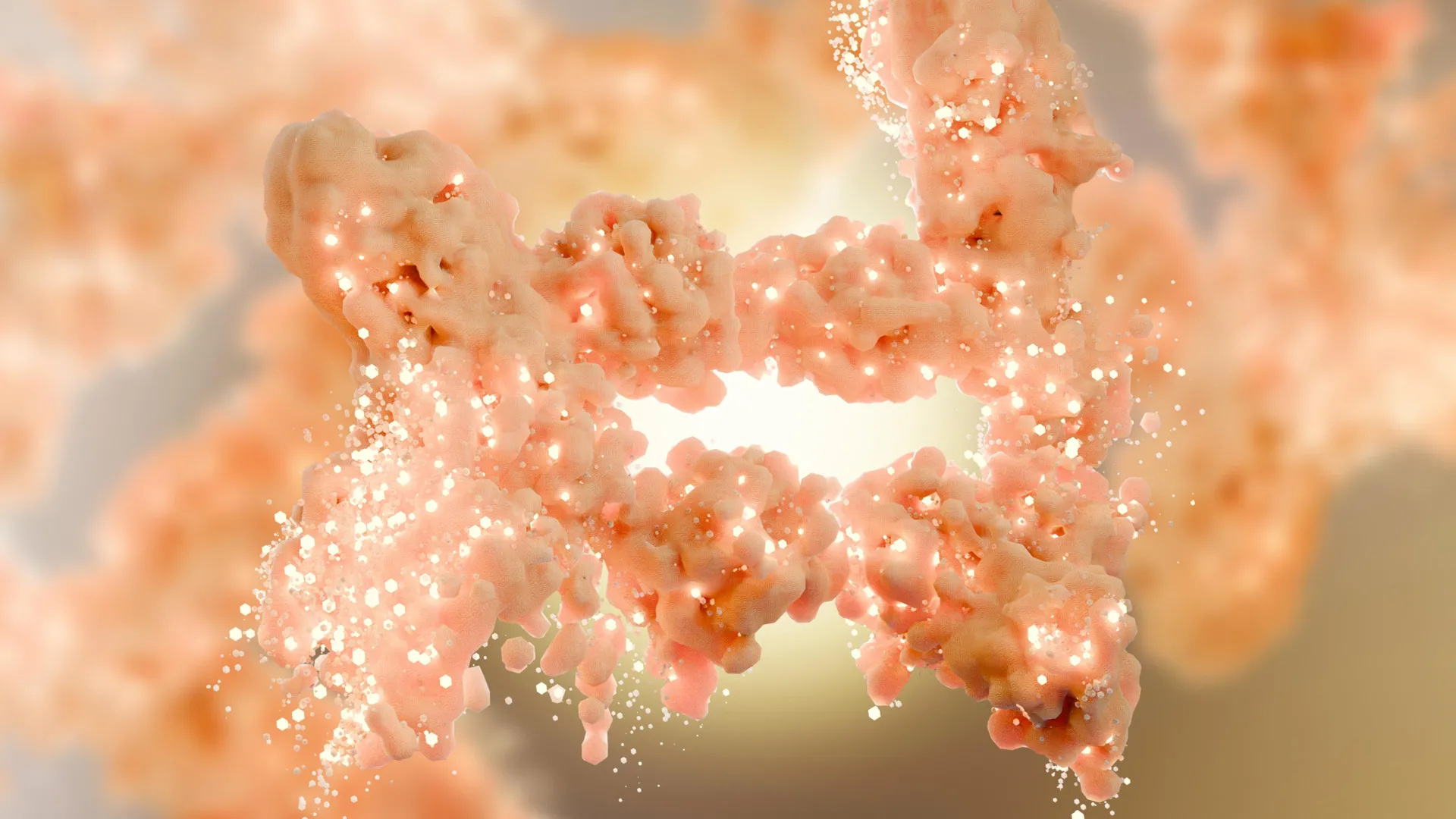
Our fat cells, known as adipocytes, do more than just store excess weight. They serve as an important energy store for the body. Inside each fat cell, fat is packed into lipid droplets that are available when fuel is needed, such as between meals. To release this stored energy, the body relies on a protein called HSL, which acts like a switch. When energy is lacking, hormones such as adrenaline activate HSL, prompting the release of fat that can be supplied to various organs.
Without HSL, we would expect fat to accumulate, as if the body had lost access to its energy supply. Surprisingly, this doesn’t happen. Studies in both mice and patients with mutations in the HSL gene have shown that the lack of this protein does not lead to excess fat or obesity. Instead, affected people experience a decrease in fat mass, a condition known as lipodystrophy.
Although obesity and lipodystrophy seem to be complete opposites, they both involve fat cells not functioning properly. As a result, each condition can lead to metabolic disorders and cardiovascular problems.
HSL is found in an unexpected location within fat cells
To understand this surprising behavior, a team at I2MC led by Dominique Langan, a professor at the University of Toulouse, took a closer look at where HSL resides within fat cells. This protein is best known for its role on the surface of lipid droplets, where it helps break down stored fat. However, this study revealed that HSL is also present within the nucleus of adipocytes. “In the nucleus of the adipocyte, HSL is able to combine with many other proteins to maintain an optimal amount of adipose tissue and participate in a program that keeps the adipocyte ‘healthy’,” explains study co-author Jeremy Dufour, who completed his doctoral thesis on the subject.
The researchers also found that nuclear HSL levels are tightly regulated. Adrenaline also activates a form of HSL found on lipid droplets, prompting the protein to leave the nucleus. This process occurs naturally during fasting. In contrast, obese mice show increased levels of HSL in the nucleus, suggesting alterations in this regulatory system.
Re-understanding the role of HSL in metabolism
“HSL has been known as a fat mobilizing enzyme since the 1960s, but we now know that it also plays an important role in the nucleus of adipocytes and helps maintain healthy adipose tissue,” says Dominique Langin. This additional liability helps explain why a lack of HSL causes lipodystrophy and provides new insights into metabolic disorders such as obesity and related health complications.
This discovery comes at a critical time. One in two adults in France is overweight or obese, and the number reaches 2.5 billion worldwide. Obesity increases the risk of various diseases, such as diabetes and heart disease, and often reduces overall quality of life. Continuing scientific research is essential to improving prevention efforts and patient care.
